Overland across Flores: from Labuan Bajo to Maumere
One winding road crosses the whole island, past volcanoes, rice terraces, Catholic towns, black-sand beaches and traditional villages: the slowest and most rewarding way to know Flores.
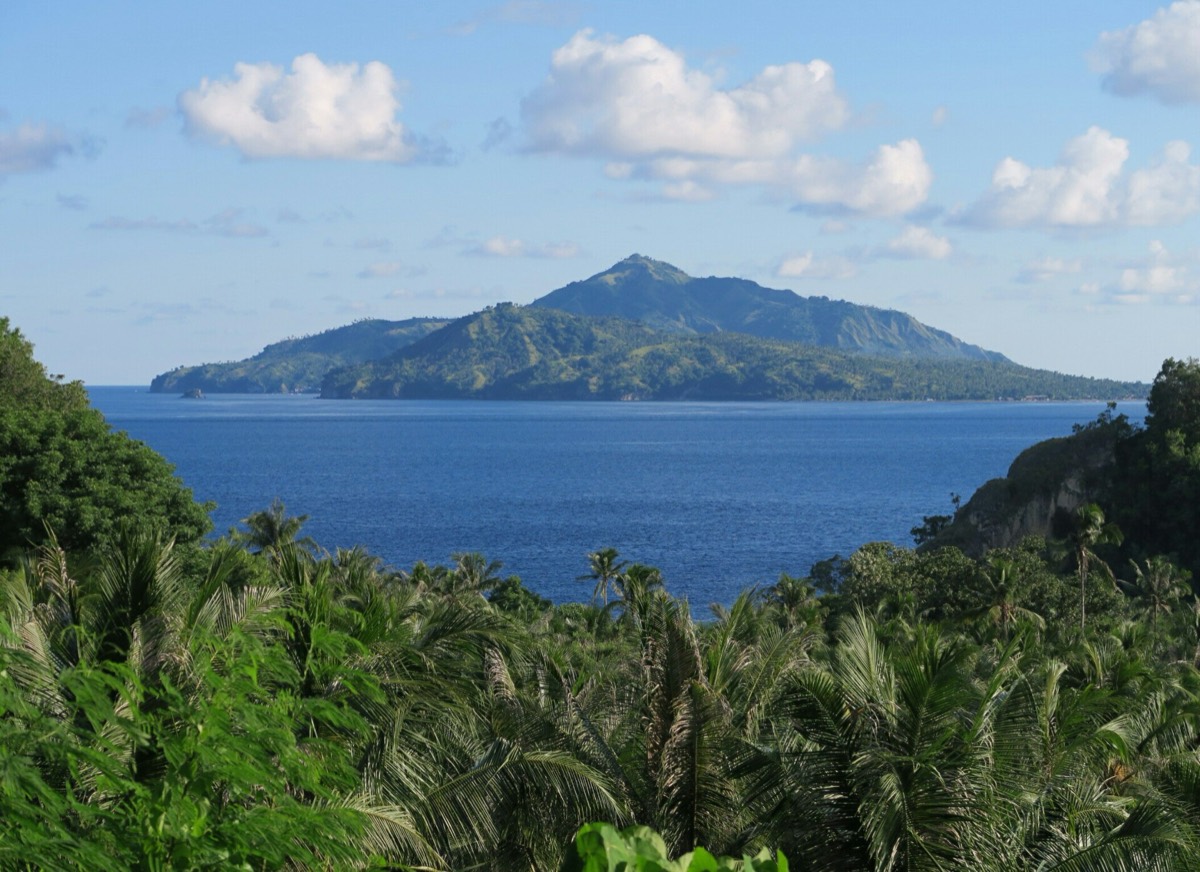

- Area
- Central & East Flores
- Start from
- Labuan Bajo
- Distance
- roughly 650–700 km by road
- Time needed
- 7–10 days
- Best season
- April – October
- Difficulty
- Moderate
- Transport
- Car and driver, shared minibuses or long-distance buses
- Tickets & rules
- None for the road; fees at individual sights
Why go
The Trans-Flores Highway runs from Labuan Bajo in the west to Larantuka in the east, linking almost every town on the island. It rarely goes straight for more than a few hundred metres. It climbs into the mountains, drops to the coast, crosses ridges and rivers, and passes through villages where children wave and shout hello mister at every car.
Driving it slowly over a week or more is the best way to understand Flores: the shift from the Manggarai highlands with their spiderweb fields, through the Ngada volcanoes and megalithic villages, to the coast at Ende and the coloured lakes of Kelimutu, and finally the Sikka region around Maumere, known for its weaving and churches.
Every day brings something different: a stop for coffee at a roadside stall, a market day in a hill town, a swim at a black-sand beach, a church service with singing that fills the whole valley. The road is tiring, but the people and landscapes make it worth every bend.
The story
Flores takes its name from the Portuguese, who called its eastern cape Cabo de Flores, the cape of flowers, in the sixteenth century. Portuguese missionaries and traders were active in the east, around Larantuka and the Solor islands, and Catholic traditions there are strong. Larantuka’s Holy Week processions, introduced in Portuguese times, still draw pilgrims from across Indonesia.
Ende, on the south coast, is known for a chapter in national history: Sukarno, later Indonesia’s first president, was exiled there by the Dutch from 1934 to 1938. His house is now a small museum, and a park nearby has the breadfruit tree under which, by tradition, he reflected on the ideas that later became the founding principles of the state.
The road itself was built in stages through the twentieth century and is still being widened and repaired. In the wet season landslides close sections for days; in the dry season, dust and roadworks are common. Locals measure distances in hours rather than kilometres, and you soon learn to do the same.

Getting there
The easiest option is to hire a car and driver for the whole trip, ideally someone recommended by other travellers; the cost is shared between passengers. Shared minibuses and buses connect the main towns and are much cheaper, but slower and less comfortable.
Fly into Labuan Bajo and out of Maumere or Ende, or vice versa, to avoid backtracking.
A suggested plan
- Days 1–2Labuan Bajo to Ruteng via Cunca Wulang and the spiderweb rice fields; Liang Bua.
- Days 3–4Ruteng to Bajawa; Bena, Gurusina and the hot springs; optional detour to Riung.
- Day 5Bajawa to Ende along the coast; Sukarno’s exile house.
- Day 6Ende to Moni; afternoon in the rice fields.
- Day 7Kelimutu at sunrise, then on to Maumere.
- Days 8–9Maumere and the Sikka weaving villages; fly out or continue to Larantuka.
Where to stay
Each town has simple hotels and guesthouses; book ahead in July and August. Mission guesthouses are often clean and good value. In villages, ask your driver about homestays.
Good to know
- Allow more time than you think; a 100 km drive can take three or four hours.
- Carry cash; ATMs exist in the main towns but are scarce elsewhere.
- Learn a few words of Indonesian; English is limited outside Labuan Bajo.
- Bring motion-sickness tablets for the winding roads.
- Avoid driving at night; roads are unlit and winding, with animals and potholes.
- Landslides and road closures are common in the wet season; check before setting off.
- Agree the driver’s price, what it includes (fuel, his meals and room) and the route in writing.