A Khmer food walk
Taste your way through Siem Reap: fish amok, lok lak, noodle soups, grilled skewers, rice cakes, sugar palm desserts and, if you dare, fried insects.

- Area
- Siem Reap town
- Start from
- Siem Reap town
- Distance
- about 3–4 km on foot
- Time needed
- an evening
- Best season
- All year
- Difficulty
- Easy
- Transport
- On foot, with a tuk-tuk for longer hops
- Tickets & rules
- None
Why go
Khmer food is quieter than the food of its neighbours, less fiery than Thai and less herbal than Vietnamese, but it has its own deep flavours: fermented fish, lemongrass, kaffir lime, palm sugar, Kampot pepper. Siem Reap is a good place to explore it.
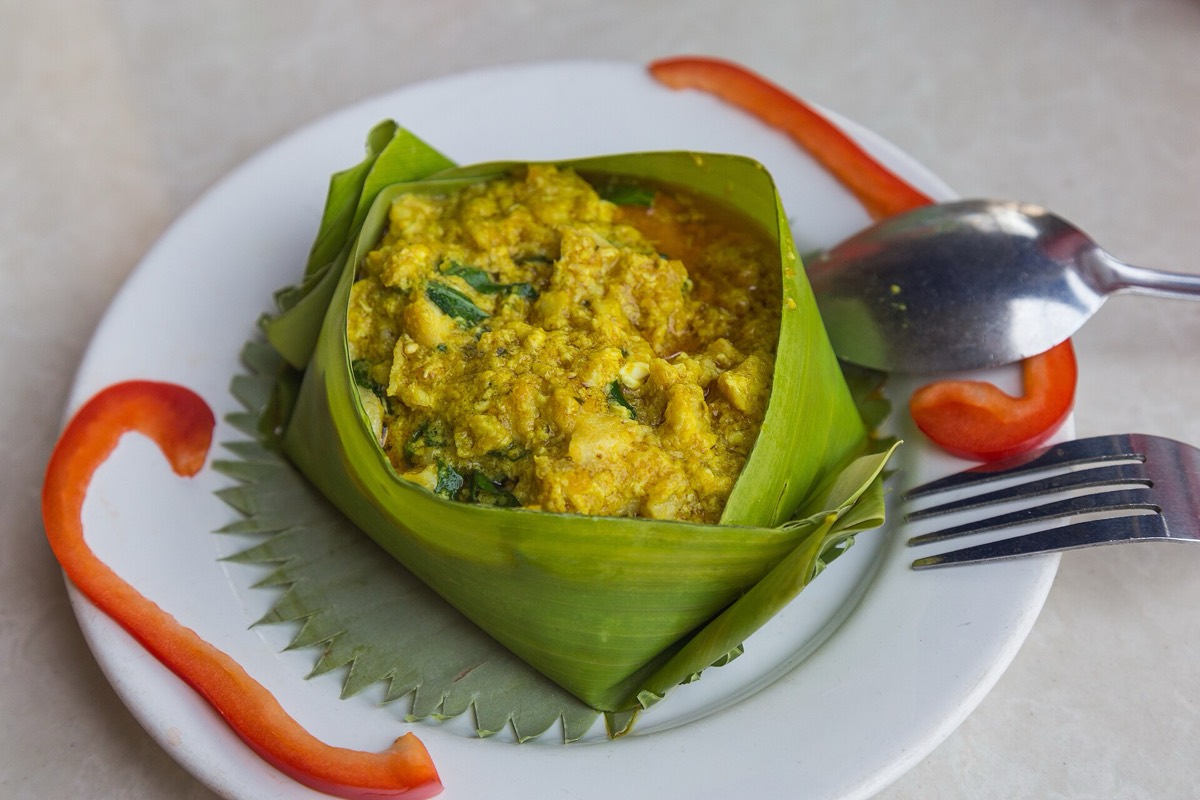
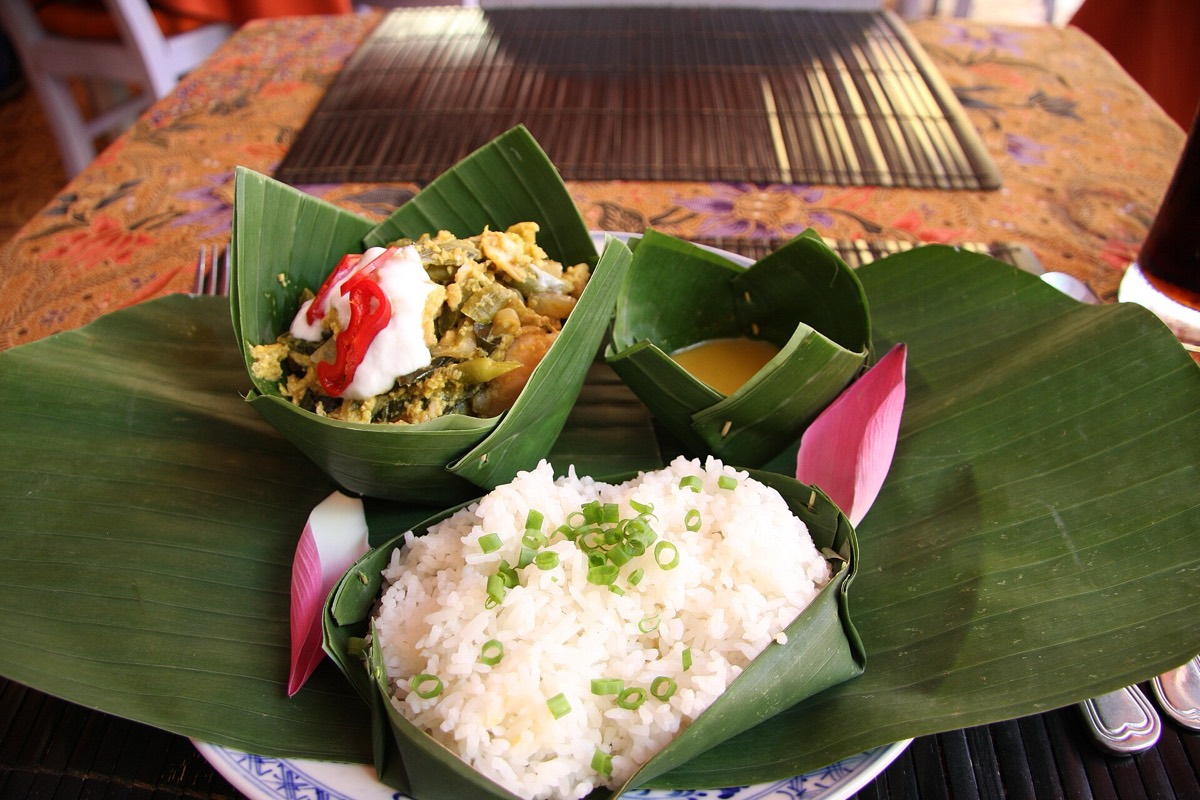
An evening walk can take in a market food court, a street-side grill, a family-run Khmer restaurant and a dessert stall. Try fish amok, a delicate coconut curry steamed in banana leaves; lok lak, peppery stir-fried beef with a lime and pepper dip; and nom banh chok, rice noodles with a fish and green herb curry, usually eaten at breakfast.
End with a dessert of sticky rice with mango or coconut pudding, and a cold Angkor beer by the river.
The story
Cambodian cuisine has deep roots. The bas-reliefs of the Bayon show people grilling fish, carrying baskets of produce and preparing feasts, and many of the ingredients are still the same.
Prahok, a fermented fish paste, is the soul of Khmer cooking. It is made during the fish harvest on the Tonle Sap and kept for months; its pungent taste flavours soups, dips and stews.
The Khmer Rouge period devastated Cambodia’s food culture, along with so much else. In recent years, young chefs have been reviving traditional recipes and cooking techniques, and Siem Reap is at the forefront of this movement.
Meals in Cambodia are shared. Several dishes come to the table at once, usually a soup, a fried or grilled dish, a salad and a bowl of dips, with plenty of steamed rice in the middle, and everyone helps themselves. A typical Khmer meal balances salty, sour, sweet and bitter rather than chilli heat, and the table is often set with a basket of fresh herbs and raw vegetables to add as you like.

Getting there
Start at Psar Chas in the late afternoon, then walk to the night market and the street stalls along the river. Several organisations offer guided food tours by tuk-tuk, which are a good way to find places off the tourist track.
Prices are usually low at street stalls; restaurants vary.
A suggested plan
- 17:00Start with a sugar cane juice at the old market.
- 17:30Snack on grilled skewers and fried noodles at street stalls.
- 18:30Dinner of fish amok and lok lak at a Khmer restaurant.
- 20:00Dessert at a stall: sticky rice with mango or coconut pudding.
- 21:00A drink by the river.
Where to stay
Stay in town, near the old market or the river.
Good to know
- Try nom banh chok at breakfast from a street stall.
- Ask for mild if you are sensitive to spice; Khmer food is rarely very hot.
- Kampot pepper makes a great souvenir.
- Fried insects are a snack, not a dare: crickets taste of nuts.
- Choose busy stalls with fresh food.
- Drink bottled or filtered water.
- Agree prices before ordering at street stalls without menus.