The countryside by bicycle
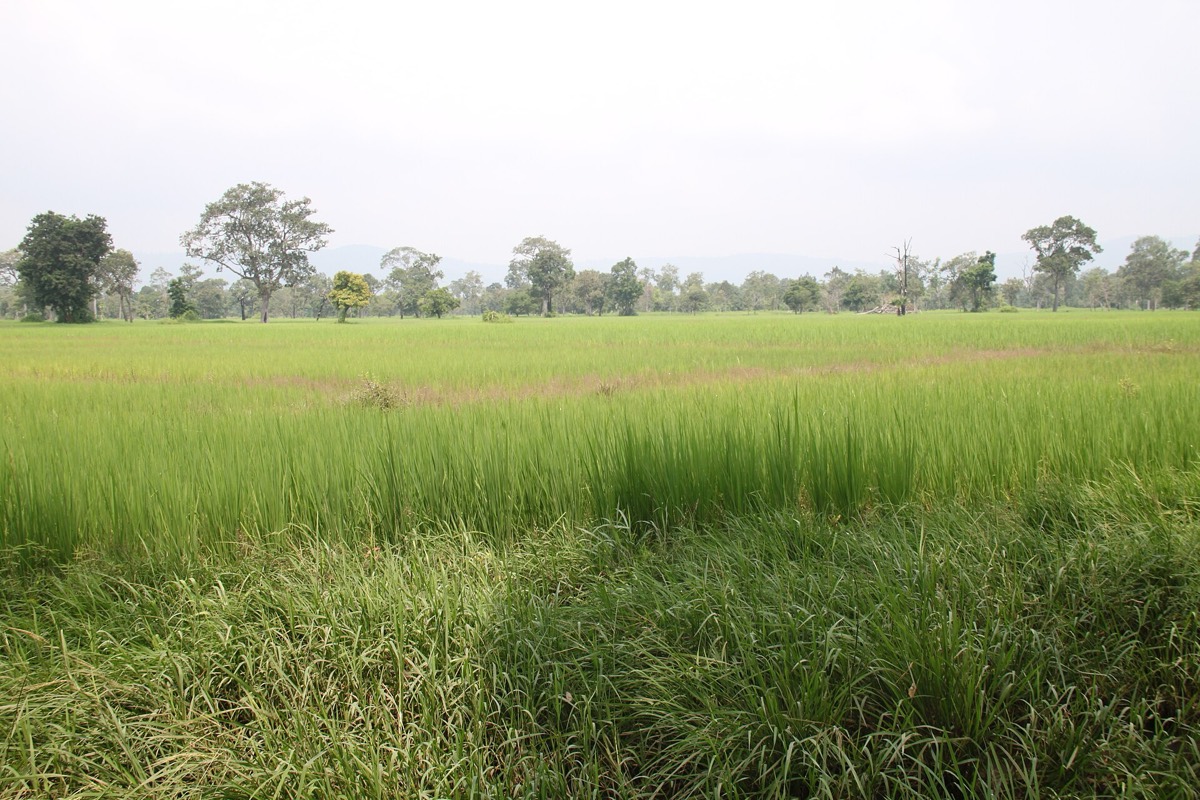
Ride out of town on dirt lanes through rice paddies and villages, past palm-sugar stalls and quiet pagodas, to a forgotten temple at the edge of the fields.

- Area
- Lake & countryside
- Start from
- Siem Reap town
- Distance
- about 25–35 km loop
- Time needed
- half a day
- Best season
- November – February; early morning
- Difficulty
- Easy
- Transport
- Bicycle
- Tickets & rules
- None; a small fee may apply at Wat Athvea
Why go
Some of my happiest hours in Cambodia were spent on a creaky bicycle, pedalling through the countryside south of town. Within ten minutes, the traffic is gone, and you are on a dirt lane lined with sugar palms, between rice paddies and wooden houses on stilts. Children call hello from every yard.
You pass small pagodas, ponds full of lotus, cows grazing on the dikes, and occasionally a farmer ploughing with buffalo. Women sell palm sugar from roadside stalls, and you can stop to watch it being made over wood fires.
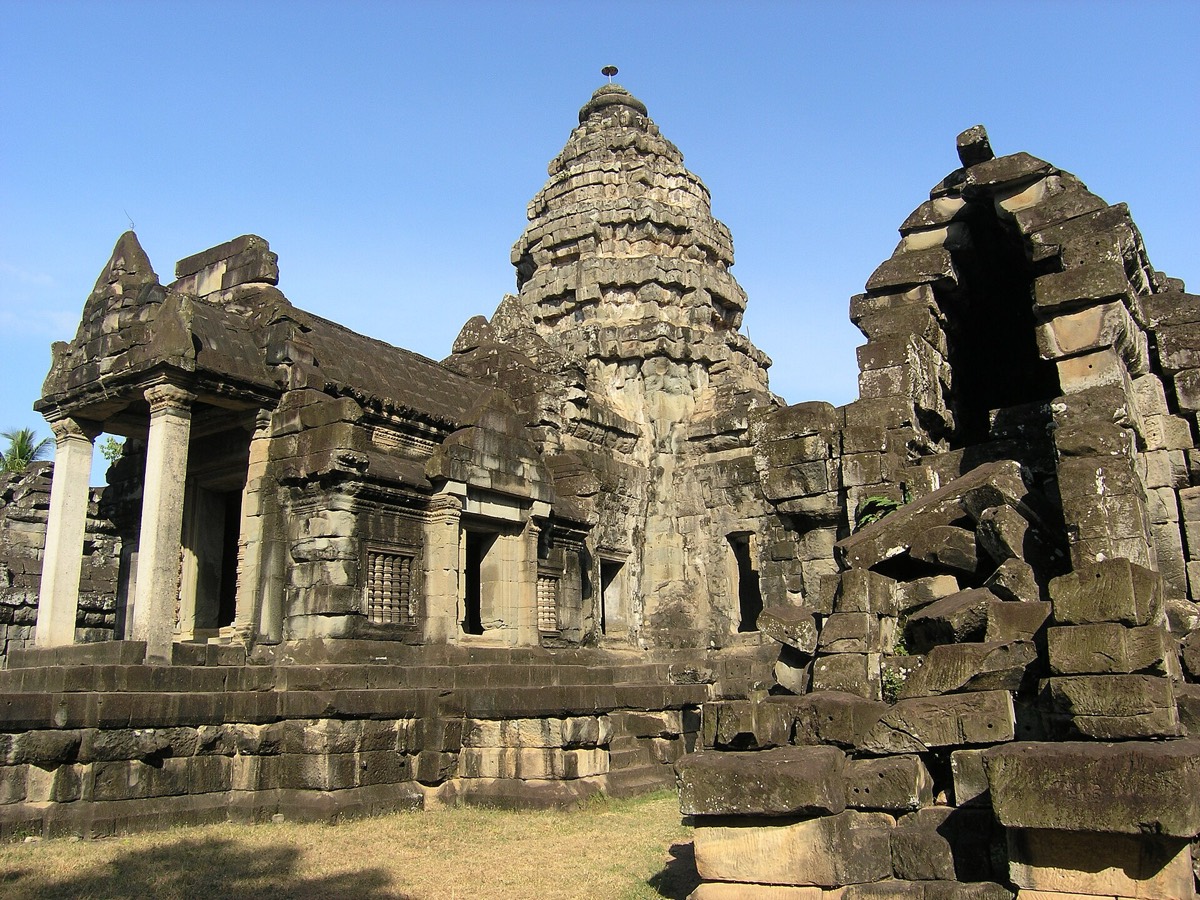
The loop can include Wat Athvea, a twelfth-century temple built in the style of Angkor Wat, which sees very few visitors and sits beside a working pagoda.
The story
The countryside around Siem Reap has been farmed for more than a thousand years. The rice fields are still fed by the monsoon rains, and in many villages, the rhythm of life follows the seasons: planting in the wet months, harvest in November and December, and drying and selling in the dry season.
The sugar palm, a tall tree with a crown of fan-shaped leaves, is a national symbol of Cambodia. Climbers shimmy up bamboo ladders twice a day to collect the sap, which is boiled down into a soft caramel-like sugar.
Wat Athvea, south of town, dates from the early twelfth century and was probably built around the same time as Angkor Wat. Its central tower is in fairly good condition, and the carvings, though worn, are elegant.
In the villages, the house tells you a lot about the family. The traditional Khmer house stands on tall wooden stilts, with the living space upstairs for coolness and safety from floods, and the shaded area below used for everything else: weaving, napping in hammocks, storing rice, sheltering the cows and the motorbike. Many families also keep a small spirit house in the yard, with offerings of fruit, incense and a can of soft drink for the guardian spirits of the land.

Getting there
Rent a bicycle in town for a few dollars a day. Ride south along the river towards Phnom Krom, then turn off onto the village lanes. An offline map helps.
Guided bicycle tours are also available and are a good way to meet villagers and learn about rural life.
A suggested plan
- 6:30Leave town southwards along the river road.
- 7:30Turn onto the village lanes; stop at a palm-sugar stall.
- 8:30Visit Wat Athvea and the pagoda next to it.
- 9:30Ride through the paddies to a lotus pond.
- 10:30Return to town for a late breakfast.
Where to stay
Stay in town. Some guesthouses south of the centre are closer to the countryside.
Good to know
- Wear a hat and bring water.
- Go early, before the heat.
- Bring small change to buy palm sugar.
- Say hello: people are friendly and curious.
- The roads can be muddy in the wet season.
- Dogs may bark and chase; slow down and they usually lose interest.
- Watch for motorbikes on narrow lanes.