A rainy day: the history museum, the botanical garden and the Jade Emperor Pagoda
When the monsoon sets in, retreat into a quiet museum, an old garden and a smoky pagoda full of carved gods, with a long lunch in between.

- Area
- Saigon centre
- Start from
- District 1
- Distance
- in the city, about 4 km in all
- Time needed
- 1 day
- Best season
- Best in the rainy season, May–November, but good any time
- Difficulty
- Easy
- Transport
- On foot and short Grab rides
- Tickets & rules
- Small tickets for the museums and the zoo; the pagoda is free; modest clothing in the pagoda
Why go
Saigon’s rain usually comes in the afternoon, hard and fast, then stops as suddenly as it began. This route is built around that rhythm. The morning goes to the Museum of Vietnamese History, a graceful building inside the city’s old botanical garden, whose collections run from bronze drums and Cham sculpture to the royal ceramics of the Nguyen dynasty.
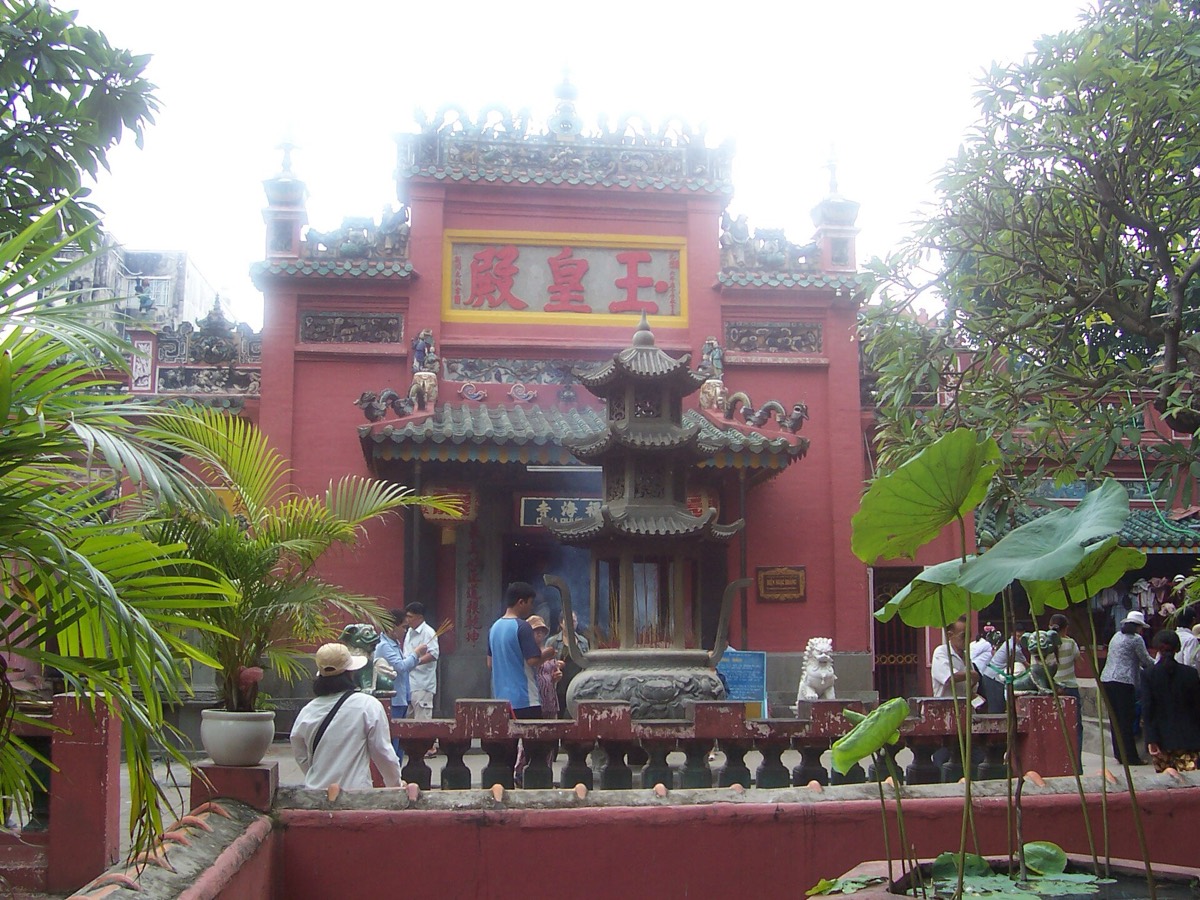
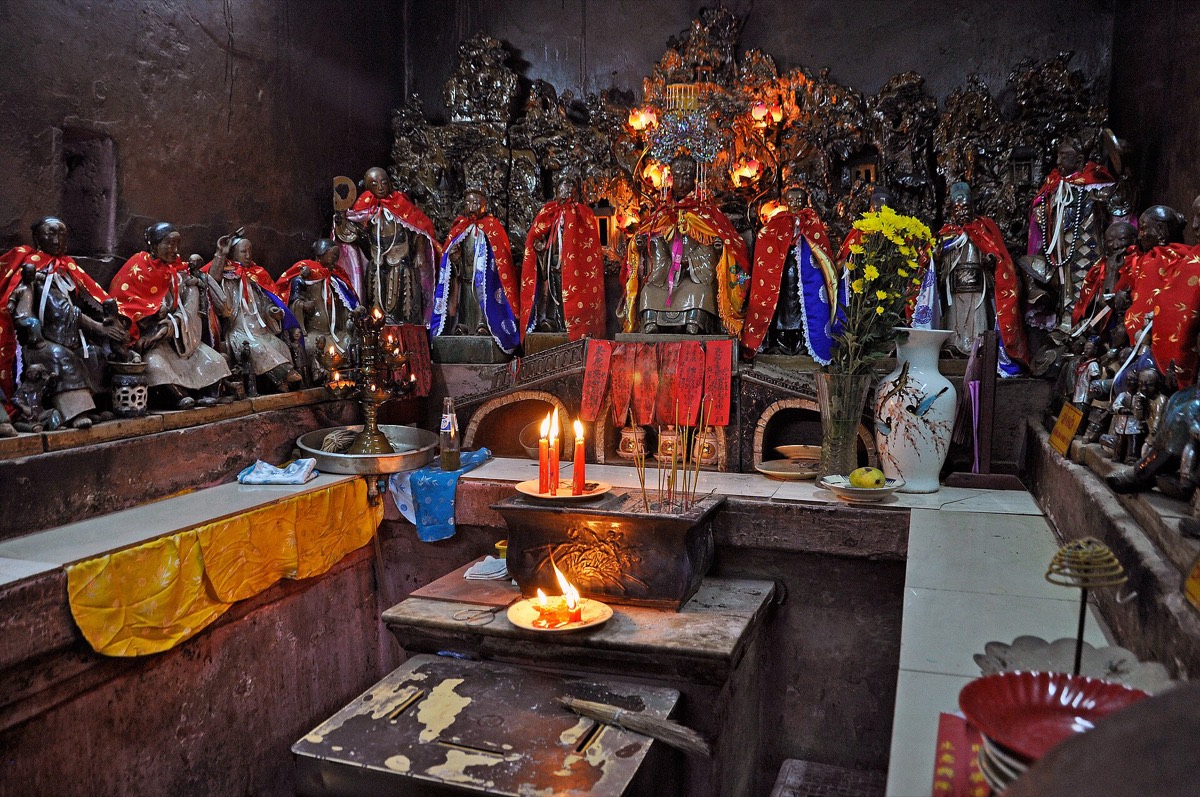
After lunch, ride to the Jade Emperor Pagoda, one of the most atmospheric temples in the city. Its dim halls are thick with incense, and the wooden statues of gods, guardians and judges of the underworld seem to watch from the shadows. In the courtyard, a pond full of turtles is a favourite with children.
If the rain still hasn’t stopped, end at the Fine Arts Museum in a yellow colonial mansion near Ben Thanh, wandering through lacquer paintings and old stained glass.
The story
The botanical garden was laid out in 1865, one of the earliest of its kind in Southeast Asia, by French gardeners who experimented with plants from all over the tropics. Today it shares its grounds with the zoo, and some of its trees are older than most buildings in the city. The history museum building, with its pagoda-like roof, dates from 1929.
The Jade Emperor Pagoda, also known as Phuoc Hai Tu, was built in the early twentieth century by the city’s Cantonese community. Its most famous room is the hall of the Ten Hells, whose carved wooden panels show, in grim detail, the punishments waiting for wrongdoers. Another hall is devoted to the goddess who watches over women and children, and locals come to pray there for a child.
The pagoda drew worldwide attention in 2016 when a visiting American president stopped here, but for local families it has always been simply a place to light incense, release a turtle or ask for a blessing.
The Fine Arts Museum occupies the former home of a wealthy Chinese merchant family from the early twentieth century. The building itself, with its tiled floors, wrought-iron balconies and old lift, is as interesting as the paintings.

Getting there
The botanical garden and the history museum are at the north-eastern end of Le Duan Boulevard in District 1. The Jade Emperor Pagoda is on Mai Thi Luu street in Da Kao, about ten minutes by Grab. The Fine Arts Museum is a short walk from Ben Thanh Market.
A suggested plan
- 9:00Visit the Museum of Vietnamese History; spend most time on the Cham and Oc Eo sections.
- 11:00Walk among the old trees of the botanical garden.
- LunchEat at a local restaurant in Da Kao or District 1; wait out the rain if it comes.
- 2:00 pmThe Jade Emperor Pagoda: the main hall, the Ten Hells and the turtle pond.
- 4:00 pmFinish at the Fine Arts Museum, or with coffee in a nearby colonial café.
Where to stay
Any central hotel in District 1 or 3 works; the Da Kao and Tan Dinh areas between them are quieter and full of small restaurants.
Good to know
- Carry a light raincoat; the plastic ponchos sold everywhere work just as well.
- Keep small notes for incense and donations in the pagoda.
- The museums close over lunch; plan the long break around it.
- A morning water puppet show is sometimes held at the history museum; check locally.
- Streets flood quickly in heavy rain; avoid walking through deep water.
- Grab prices rise sharply when it pours; wait twenty minutes and they fall again.
- Don’t point your feet at altars or touch statues in the pagoda.