Along the Singapore River: quays, bridges and bumboats
Follow the river where the city began, from the old merchant godowns of Boat Quay to the bars of Clarke Quay and the quiet tree-lined banks of Robertson Quay.

- Area
- Marina Bay & the river
- Start from
- Raffles Place
- Distance
- about 4 km on foot, or by river taxi
- Time needed
- half a day
- Best season
- All year; late afternoon into evening is best
- Difficulty
- Easy
- Transport
- MRT to Raffles Place, Clarke Quay or Fort Canning
- Tickets & rules
- None; tickets for river cruises and museums
Why go
The Singapore River is short, gentle and full of history, and it is the most rewarding way to understand how the old trading port turned into the modern city. A riverside path runs along both banks, and in a few hours you can walk from the mouth near the Fullerton all the way up to the leafy apartments of Robertson Quay, crossing a different bridge every few minutes.
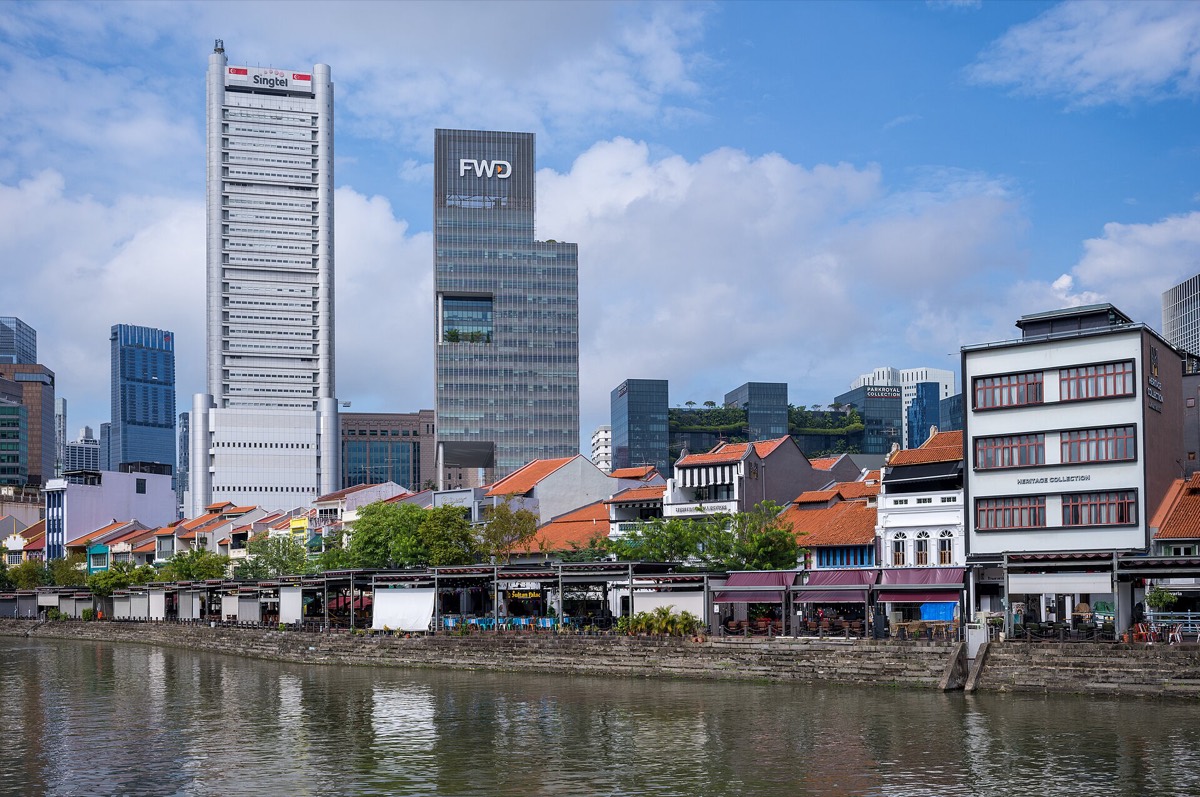
Boat Quay is a curve of restored shophouses, once the warehouses and offices of merchants, now restaurants with tables spilling onto the waterfront. Clarke Quay, a little further up, is louder and more colourful, with its old godowns painted in bright colours and a canopy against the rain. Beyond it the river narrows and goes quiet, lined with rain trees, cafés and joggers.
I like to walk upstream in the late afternoon and float back down after dark on one of the old-style bumboats, which now run as river taxis and cruises. From the water the towers rise directly from the edge of the river, and the small, low shophouses beneath them look almost like toys.
The story
In January 1819 Stamford Raffles of the British East India Company landed near the mouth of this river and negotiated to set up a trading post. There is a white statue of him at the Raffles Landing Site on the north bank, close to where it is thought he came ashore. Within a few decades the river was one of the busiest in Asia, crowded with bumboats ferrying goods from ships anchored offshore to the godowns on the banks.
Each community had its place. Chinese merchants clustered at Boat Quay, where the curve of the bank was said to resemble the belly of a carp, a sign of prosperity. Coolies carried sacks of rice, rubber, spices and tin on their backs along narrow planks between boat and warehouse, a backbreaking job that the bronze sculpture groups along the quay now commemorate.
By the 1970s the river was badly polluted, choked with waste from boats, pig farms and backyard industries. A cleanup campaign lasting around a decade relocated the lighterage trade, the hawkers and the squatters, and the water was gradually brought back to life. The old godowns were then restored as restaurants and bars, which is the river you see today.
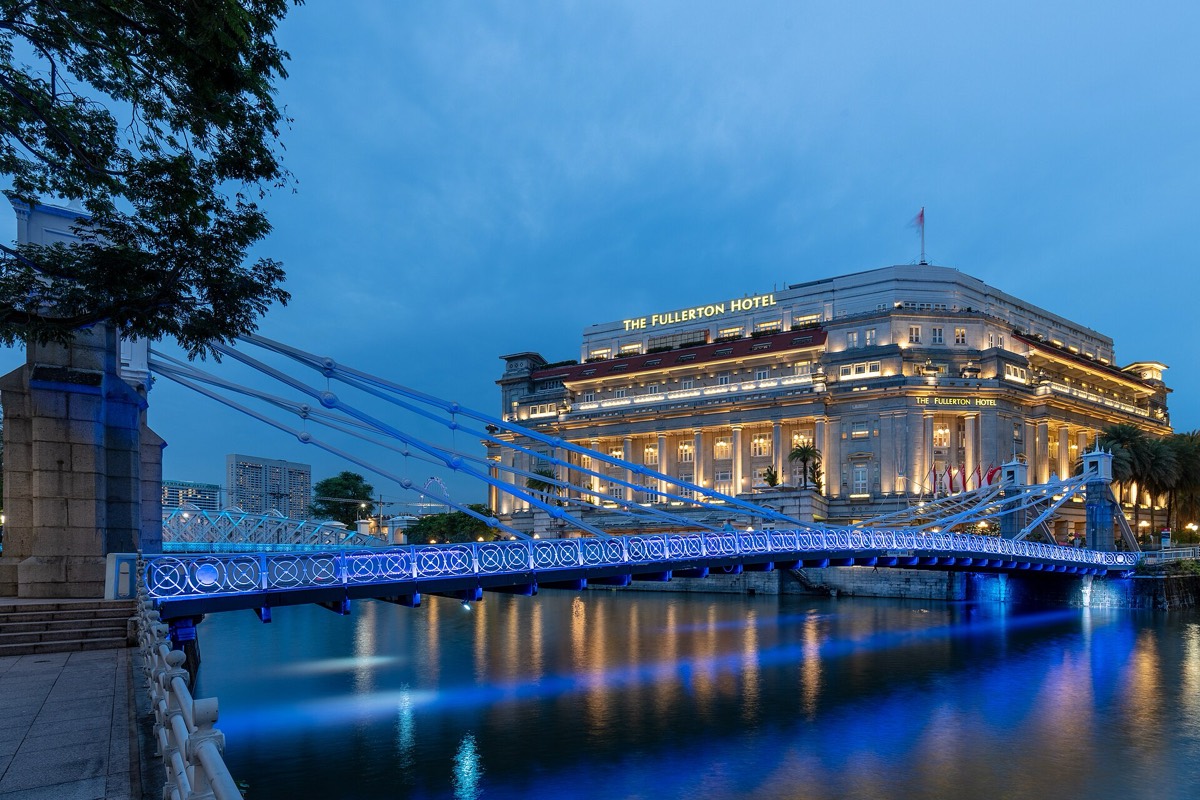
Look at the bridges as you walk: Cavenagh Bridge, a cast-iron suspension bridge from 1869 that still carries an old sign forbidding cattle and horses; Anderson Bridge with its arches; Elgin Bridge, named after a governor-general of India. Each one marks a stage in the city's growth.

Getting there
Start at Raffles Place MRT and walk to the river by the Fullerton building and Cavenagh Bridge. Clarke Quay MRT and Fort Canning MRT are handy for joining or leaving the walk midway.
River taxis and cruises stop at several jetties along the way; the cruise boats loop from Clarke Quay to Marina Bay and back.
A suggested plan
- 4:00 pmBegin at Cavenagh Bridge and look at the Fullerton building, the old general post office.
- 4:30 pmWalk the north bank to the Raffles Landing Site and the Asian Civilisations Museum.
- 5:15 pmCross to Boat Quay and follow the bronze sculptures of merchants, coolies and boys leaping into the river.
- 6:00 pmContinue to Clarke Quay and on to quieter Robertson Quay for an early dinner by the water.
- 8:00 pmTake a bumboat cruise back down the river to see the skyline lit up.
Where to stay
Robertson Quay and the area around Clarke Quay have many hotels and serviced apartments; it is a calm, walkable part of the city with easy access to Chinatown.
Good to know
- The north bank has more shade in the afternoon.
- Restaurant touts at Boat Quay can be persistent; look at the menu prices, especially for seafood sold by weight.
- The bumboat cruise takes about 40 minutes; the evening runs are the most popular.
- Fort Canning Park sits just above Clarke Quay and makes a cool, green detour.
- Seafood priced 'by market price' or by 100 grams can add up fast; confirm the total before ordering.
- Clarke Quay is noisy and crowded late at night on weekends.
- Paths along the river are slippery after rain.