Haw Par Villa: the Tiger Balm garden and the Ten Courts of Hell
A strange and wonderful hillside garden of more than a thousand painted statues, folk tales and moral lessons, built by the brothers who made Tiger Balm.

- Area
- Neighbourhoods
- Start from
- Haw Par Villa MRT
- Distance
- in the west of the city
- Time needed
- 2–3 hours
- Best season
- All year; mornings are quieter and cooler
- Difficulty
- Easy
- Transport
- MRT to Haw Par Villa (Circle line)
- Tickets & rules
- Free entry to the park; ticket for the Hell's Museum; not recommended for small children
Why go
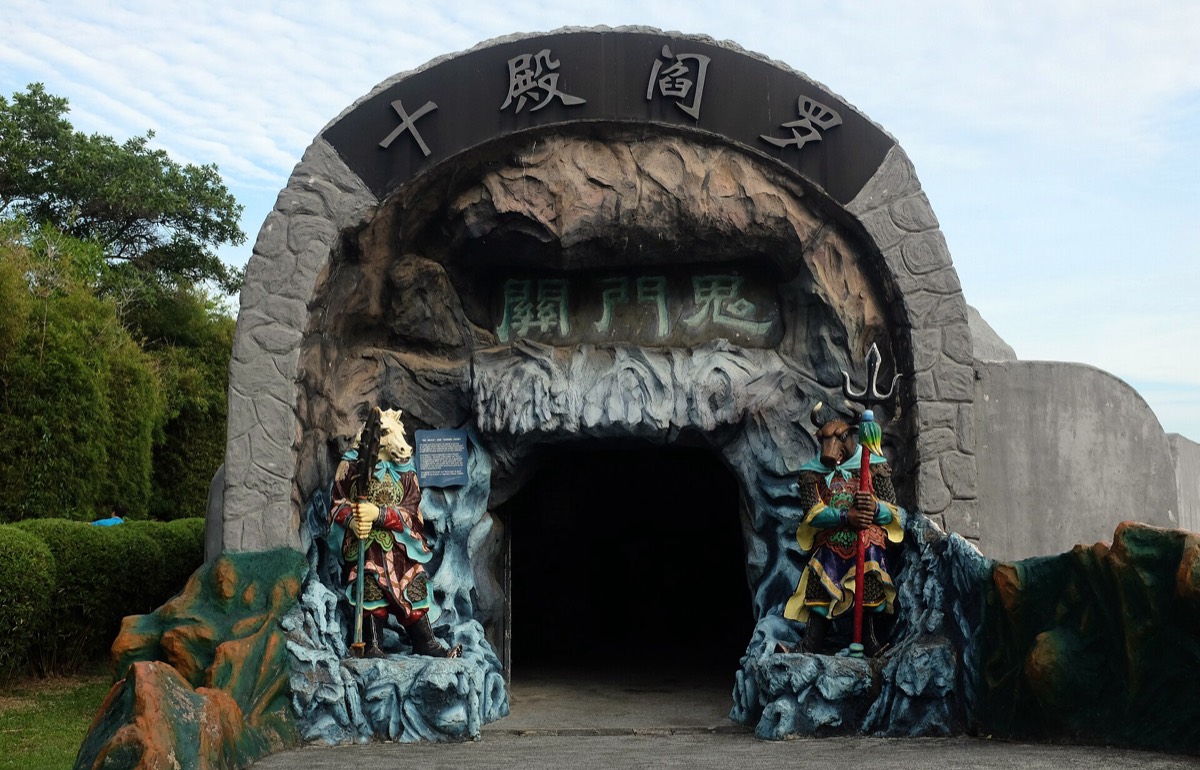
Haw Par Villa is the most unusual place in Singapore, and perhaps one of the oddest theme parks in the world. Built on a slope in the west of the city, it is crowded with painted concrete statues and dioramas from Chinese myths, legends and moral tales: the Monkey God, the Eight Immortals, the Journey to the West, filial sons and greedy merchants, and a crowd of strange animals.
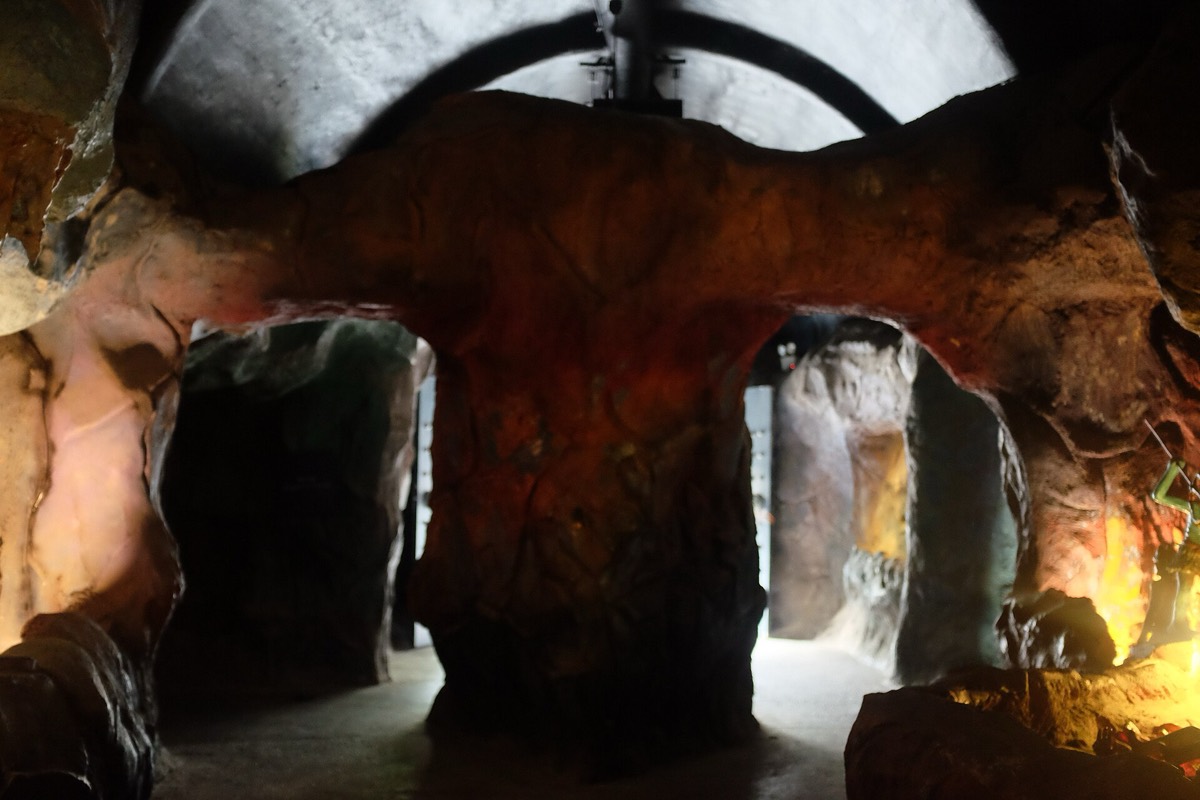
The most famous part is the Ten Courts of Hell, a long, dark diorama that shows, in rather graphic detail, the punishments meted out to sinners in the Chinese underworld. Liars have their tongues pulled out; cheats are crushed under stones. It was meant to teach children morality, and generations of Singaporeans remember being terrified by it.
I found it oddly moving. The paint is fading in places, the statues have a homemade charm, and on a quiet weekday morning you can wander alone among them, reading the little plaques and imagining families visiting on Sundays decades ago.
The story
The park was built in 1937 by Aw Boon Haw and Aw Boon Par, two brothers from a Chinese-Burmese family who made a fortune selling Tiger Balm, a camphor and menthol ointment that is still sold all over Asia. The names Haw and Par mean tiger and leopard. Aw Boon Haw built the villa on the hill for his younger brother and opened the gardens to the public as a way of teaching traditional Chinese values.
The original villa was destroyed during the Second World War, but the gardens survived and continued to be extended in the post-war years, with more statues and scenes. Aw Boon Haw also built similar gardens in Hong Kong and Fujian, though the Singapore one is the best preserved.
In the 1980s and 1990s the park was briefly turned into a modern theme park with rides and shows, which did not work out; it later returned to its free, slightly eccentric original state. The Hell's Museum, opened in 2021, is a small exhibition on how different cultures and religions picture death and the afterlife, and it puts the Ten Courts in context.
Look for the statue of the brothers' mother and the scenes from Chinese stories such as Madam White Snake, a love story between a man and a snake spirit, and the Twenty-Four Filial Exemplars, a famous set of stories about devotion to one's parents.

Getting there
Take the Circle line to Haw Par Villa MRT; the park entrance is a short walk from the station.
It combines well with the Southern Ridges, since Kent Ridge Park is only a short ride away.
A suggested plan
- 9:00 amArrive when the park opens and wander the lower gardens.
- 10:00 amWalk through the Ten Courts of Hell diorama, now inside the Hell's Museum.
- 11:00 amClimb to the upper terraces for the statues of the Eight Immortals and the view.
- 12:00 pmTake the MRT or walk on to Kent Ridge Park or Pasir Panjang for lunch.
Where to stay
There is nowhere to stay at the park itself; the HarbourFront and Tiong Bahru areas are close by on the Circle line.
Good to know
- Go early in the morning; there is little shade.
- Read the plaques: the stories behind the statues make the visit.
- Combine it with a walk on the Southern Ridges or the nearby Labrador Park.
- Check the opening hours of the Hell's Museum, as they differ from the gardens.
- The Ten Courts of Hell is graphic and can upset small children.
- Steps and slopes are uneven and slippery in the rain.
- Do not climb on the statues; many are old and fragile.