Ipoh old town: tin-rush mansions, Concubine Lane and white coffee
A sleepy grid of colonial facades, kopitiams and painted walls, built on the fortunes of the world’s richest tin field and best explored with a cup of white coffee in hand.

- Area
- Ipoh
- Start from
- Ipoh Railway Station
- Distance
- about 4 km on foot
- Time needed
- 1 day
- Best season
- All year; mornings and late afternoons are coolest
- Difficulty
- Easy
- Transport
- ETS train from Butterworth (about 2 hours), then on foot
- Tickets & rules
- None for the streets; small fees or booked tours for some heritage houses and museums
Why go
After George Town, Ipoh feels like a deep breath. The old town is compact, quieter and less polished, with arcaded shophouses, wide colonial streets and limestone hills rising on the horizon. Locals are relaxed, and it’s easy to strike up a conversation over coffee.
Start at the grand railway station, wander to the town hall and clock tower, and drift into the lanes of the old town, where restored shophouses mix with crumbling ones. Concubine Lane, a narrow alley of souvenir shops and snack stalls, is the busiest corner, but the surrounding streets reward slow walking.
And then there is white coffee, Ipoh’s gift to Malaysia: beans roasted with margarine, brewed strong and served with condensed milk. Drink it where it was born.
The story
In the late 19th century, the Kinta Valley around Ipoh turned out to hold some of the richest tin deposits on earth. Chinese miners, mostly Hakka and Cantonese, poured in, and Ipoh grew from a village into one of the wealthiest towns in Malaya. Merchants and towkays built mansions, clubs and shophouses with the profits.
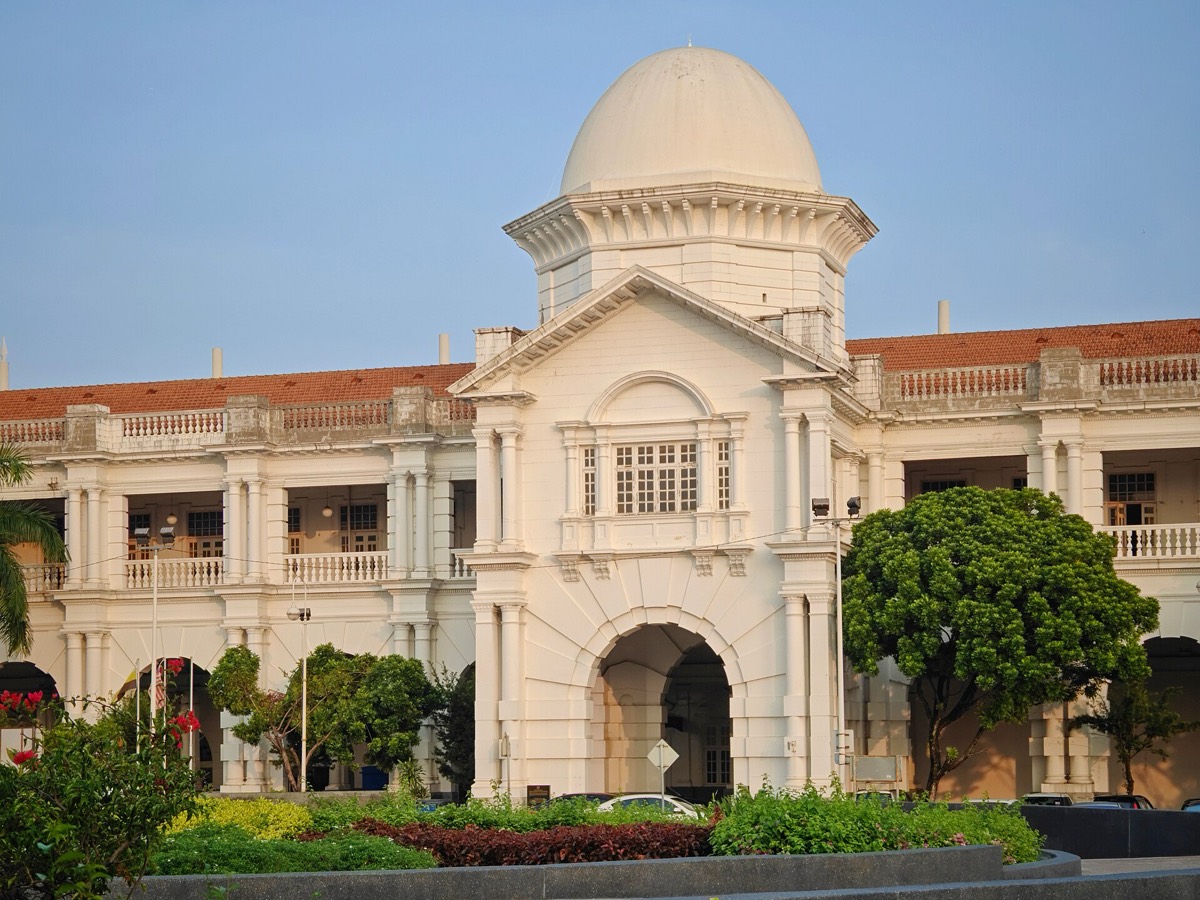
The railway station, completed in 1917 and designed by the architect Arthur Benison Hubback, mixes Moorish domes with British colonial style; locals nicknamed it the Taj Mahal of Ipoh. Across the road, the town hall and old court building are equally grand.
Concubine Lane, Lorong Panglima, is said to have got its name because wealthy tin miners kept their mistresses there. Whether true or not, the legend made it famous, and the lane now draws crowds.
Han Chin Pet Soo, a former club for Hakka tin miners, is now a small museum about mining life, from back-breaking work to gambling and opium. Visits are by guided tour, often booked ahead, and they bring the old town’s stories to life. In 2014 Ernest Zacharevic, the artist behind George Town’s murals, painted a series of walls in Ipoh too.
Getting there
The ETS electric train runs from Butterworth, across the channel from George Town, to Ipoh in around two hours. Book tickets ahead on the KTM website or app, especially at weekends and holidays. Take the ferry or a Grab from George Town to Butterworth station first.
Ipoh station is on the edge of the old town; everything here is walkable. Grab is cheap for longer hops.
A suggested plan
- 9:00Arrive by train and admire the station and town hall.
- 10:00White coffee and toast at an old kopitiam.
- 11:00Walk the old town’s murals and shophouses.
- 12:30Lunch, then Concubine Lane.
- 2:30 pmHan Chin Pet Soo tour (book in advance).
- 5:00 pmCross the Kinta River to the new town for dinner.
Where to stay
Boutique hotels in restored shophouses are scattered through the old town; the new town across the river has larger, cheaper hotels within walking distance of the food streets.
Good to know
- Book Han Chin Pet Soo tours ahead; they fill up.
- Ipoh is quieter on weekdays; some shops close one day a week.
- Try Ipoh egg tarts and caramel custard as snacks.
- Carry an umbrella for sudden afternoon storms.
- Concubine Lane is very crowded at weekends; watch your bags.
- Sidewalks are uneven; watch for open drains.