Jalan Alor and a night of Bukit Bintang street food
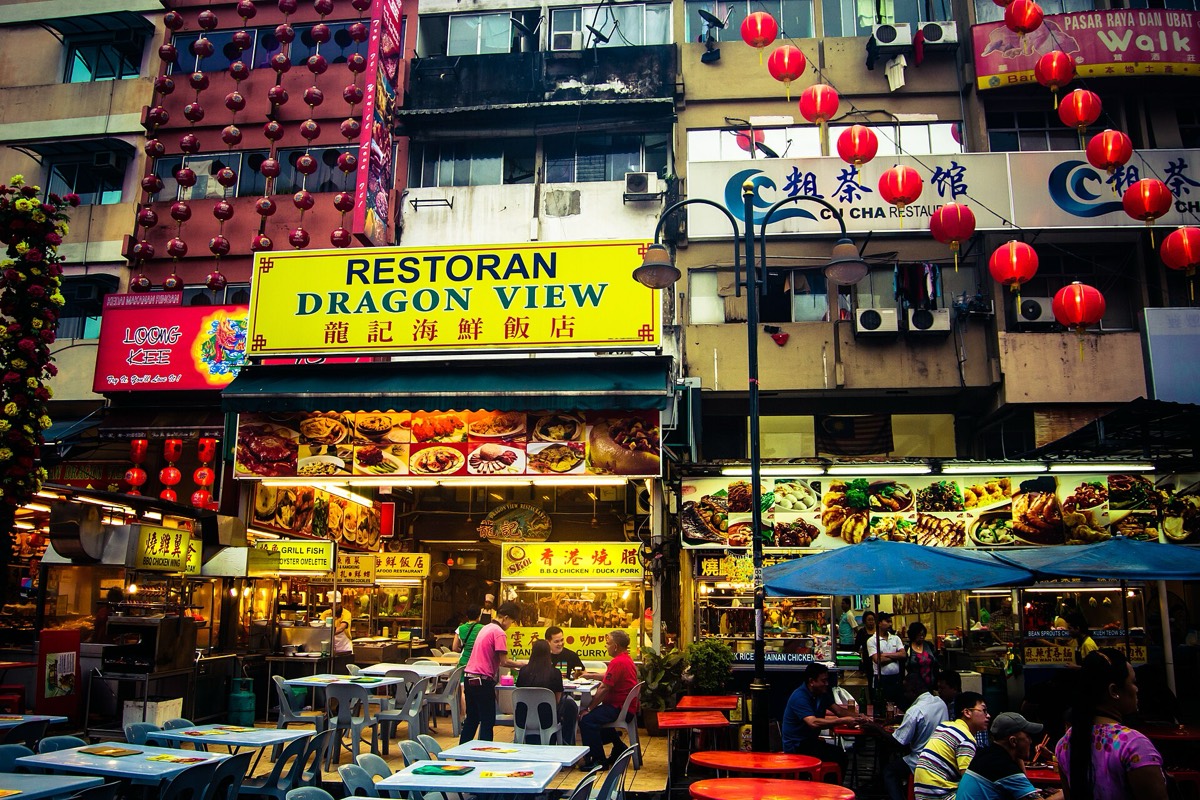
A single street of smoking grills, plastic stools and fluorescent light, where KL’s Chinese hawker food meets the whole world at dinner time.

- Area
- KLCC & Bukit Bintang
- Start from
- Bukit Bintang
- Distance
- walking distance, about 2 km
- Time needed
- an evening
- Best season
- All year; from about 6 pm until late
- Difficulty
- Easy
- Transport
- MRT or Monorail to Bukit Bintang
- Tickets & rules
- None
Why go
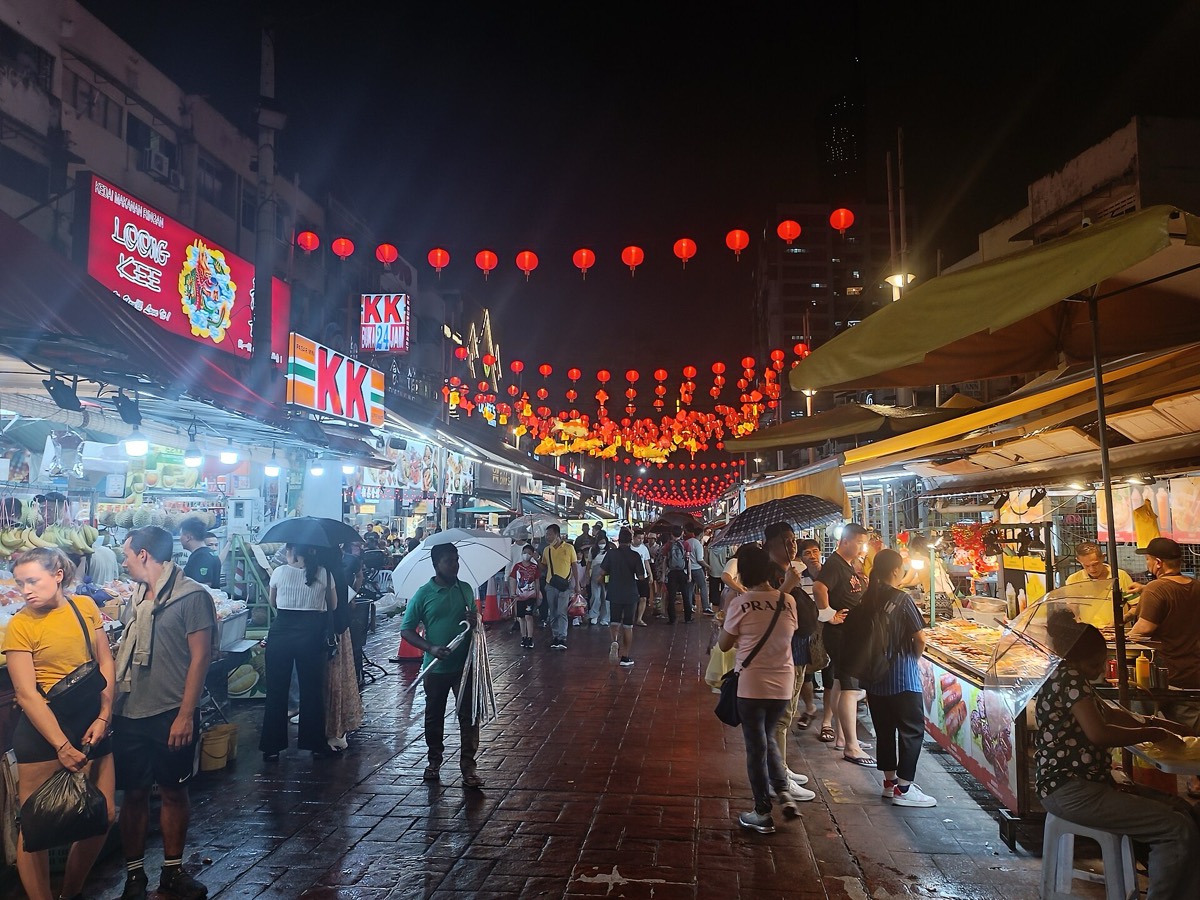
By day Jalan Alor is an unremarkable back street behind the malls of Bukit Bintang. At dusk the shutters roll up, tables spill onto the road, and for the next several hours it becomes one long open-air restaurant. The smell of charcoal and caramelised soy hits you before you turn the corner.
This is not the cheapest or the most authentic food in Kuala Lumpur, and locals will tell you so. But it is a joyful place to start: chicken wings glazed and blackened over coals, satay with peanut sauce, grilled stingray in banana leaf with sambal, char kway teow fried in a smoking wok, frog porridge in claypots, coconut shakes, and sweet, custardy durian if you dare.
I like to treat it as a tasting walk rather than one big meal: a plate here, a skewer there, then a slow wander through the side lanes of Bukit Bintang, where the city’s neon nightlife is just beginning.
The story
Bukit Bintang means ‘Star Hill’. In the early twentieth century it was the edge of the city, with an amusement park and cinemas; by the 1990s it had become the shopping heart of Kuala Lumpur, and the hawker culture of the old Chinese neighbourhoods moved in among the malls.
Hawker food in Malaysia grew out of necessity: miners and labourers needed cheap, quick meals, and vendors carried kitchens on poles across their shoulders or on bicycles. Later they were moved into hawker centres and coffee shops, but streets like Jalan Alor keep the old spirit of eating under the open sky.
Malaysian food is a conversation between cultures. Char kway teow came from southern Chinese immigrants; satay may have arrived with traders from Java; sambal is Malay; roti canai came from southern India. Many dishes have changed so much in their new home that their ‘parents’ would no longer recognise them.
The durian, which you’ll smell long before you see it, is the most loved and hated fruit in the region. Many hotels and public transport ban it, but Malaysians argue about varieties like Musang King with the passion of wine critics.

Getting there
Take the MRT or the Monorail to Bukit Bintang station. Jalan Alor runs parallel to Jalan Bukit Bintang, one block north, and is a five-minute walk from the station. A covered walkway also links it to KLCC.
A suggested plan
- 6:00 pmArrive as the stalls are setting up and walk the full length of the street to look.
- 6:30 pmStart with grilled chicken wings and satay, then share a plate of stingray or noodles.
- 7:30 pmTry fresh fruit, a coconut shake, or durian if you’re brave.
- 8:30 pmWalk to Changkat Bukit Bintang and the neon of Bukit Bintang junction.
- LateFinish with a cooling dessert like cendol or ais kacang.
Where to stay
Bukit Bintang is full of hotels at all prices, and you can walk back after dinner; it is also well connected by MRT and Monorail.
Good to know
- Check prices before ordering seafood, which is often sold by weight.
- Sit at a table belonging to one restaurant and you can still order from neighbouring stalls; ask first.
- Carry small cash; many stalls take e-wallets but not all take cards.
- Tuesday to Sunday evenings are busier; some stalls take a day off.
- Touts will try to seat you; look at the menu and prices before you sit down.
- Watch your phone and bag in crowded areas, and beware of motorbikes on the street.