A Rainy Day at the Traditional Arts and Ethnology Centre
A small, thoughtful museum on the slopes of Phousi introduces the many peoples of northern Laos through their clothing, tools, rituals and stories.

- Area
- Villages & crafts
- Start from
- Old town, at the foot of Mount Phousi
- Distance
- walking distance
- Time needed
- 2–3 hours
- Best season
- All year; ideal on wet afternoons
- Difficulty
- Easy
- Transport
- On foot
- Tickets & rules
- Entry ticket; check opening days
Why go
Laos is home to dozens of officially recognised ethnic groups, and in Luang Prabang you meet them every day without quite realising it: the Hmong women selling embroidery at the night market, the Khmu villagers in the hills around Kuang Si, the Tai Lue weavers of Ban Phanom. This small museum explains who they are.
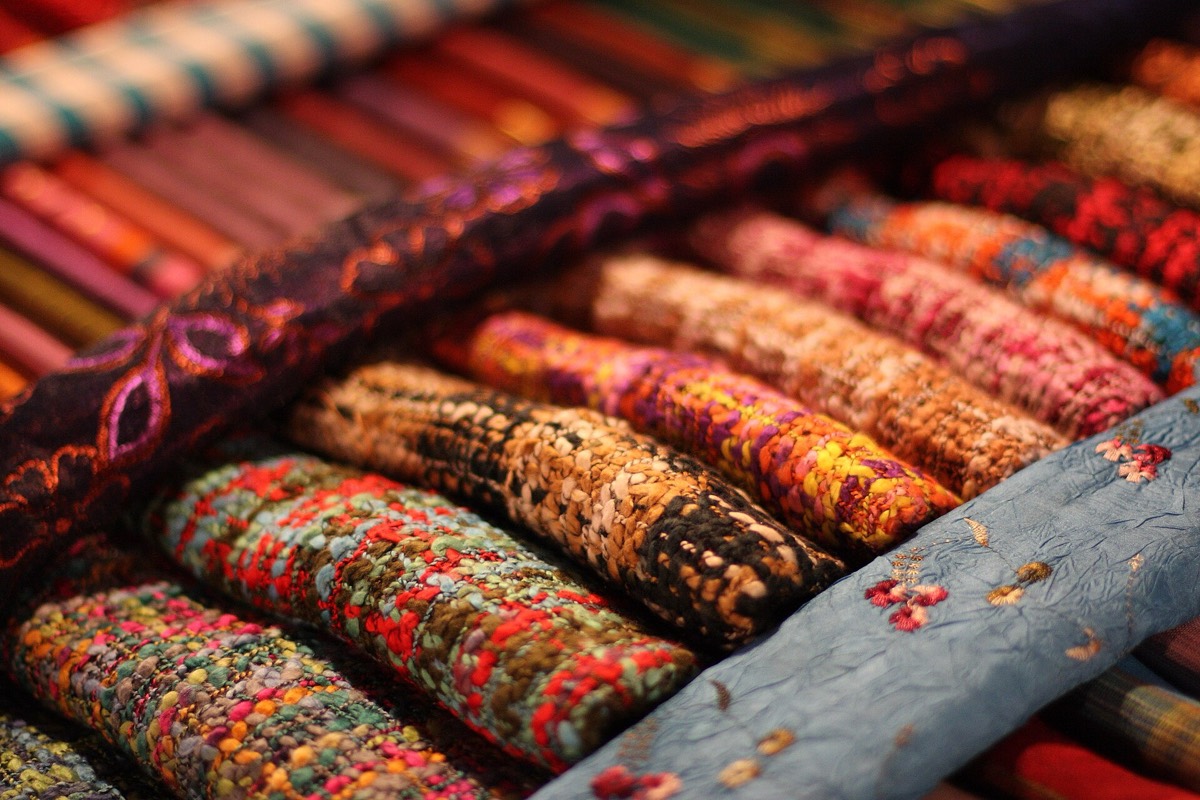
It is the best rainy-day option in town. The galleries are compact and clearly labelled, with displays of costumes, jewellery, baskets, musical instruments and ritual objects, and a shop that sells crafts made by the communities themselves.
I came away with a much better eye for the night market. After an hour here, you start to recognise the patterns and techniques of different groups, and what had seemed like a jumble of souvenirs becomes a story of distinct cultures.
The story
The centre was set up by a non-profit initiative in the late 2000s, in a former colonial-era building on the slopes of Phousi. Its aim is to document and preserve the traditions of the ethnic groups of Laos and to support the communities through fair-trade crafts.
The exhibits explain some of the big divisions in Lao society: the lowland Lao and Tai peoples who grow wet rice and follow Theravada Buddhism; the Mon-Khmer peoples such as the Khmu, among the earliest inhabitants; and the Hmong-Mien and Tibeto-Burman groups such as the Hmong and Akha, who live mostly in the uplands.
Look out for the displays on Hmong batik and embroidery, the silver jewellery of the Akha and the textiles of the Tai Dam and Tai Lue. There are also exhibits on rites of passage, shamanism and the spirits that are still part of daily life in many villages.
Many of the objects are ordinary things used in everyday life, from baskets to tools, and that is part of the charm. They show a way of living closely tied to forest, river and field, much of which is changing fast as roads, schools and markets reach the remoter villages.

Getting there
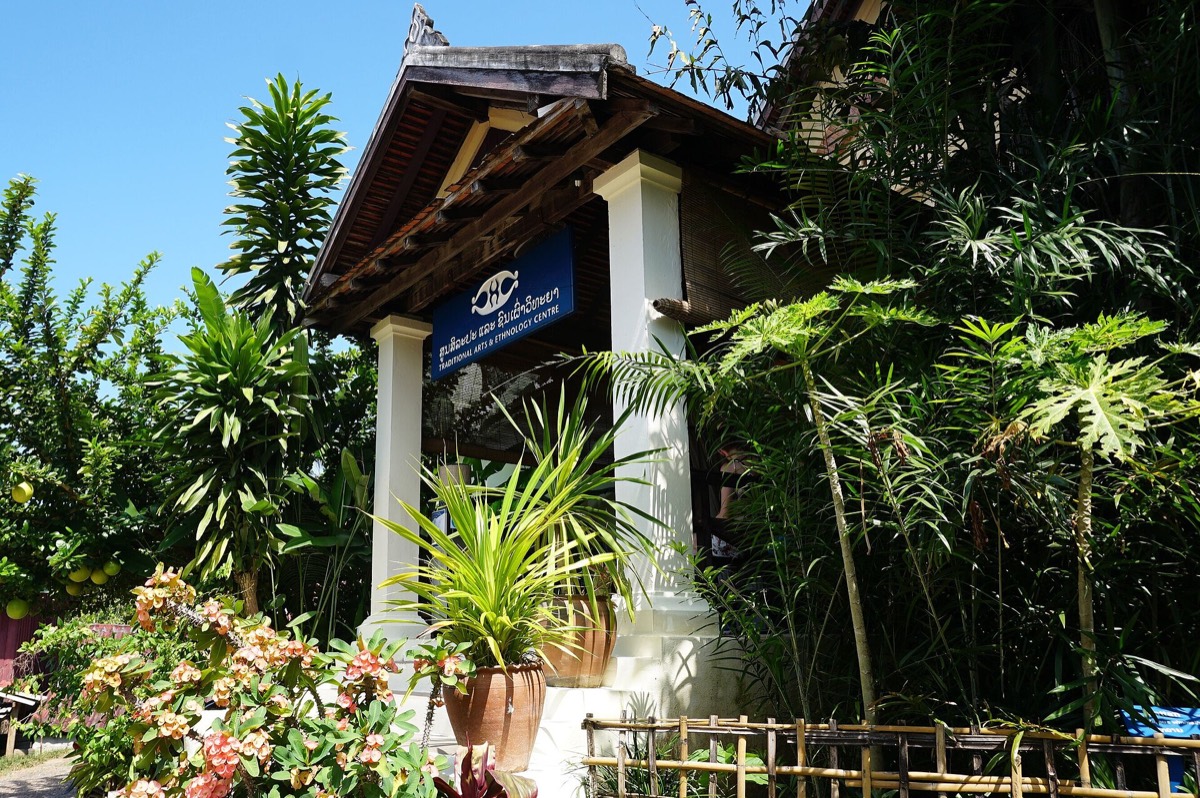
The centre is on the lower slopes of Mount Phousi, a few minutes’ walk from the main street; follow signs from the Nam Khan side of the hill.
Check opening days before you go; it has closed on one day of the week in the past.
A suggested plan
- 13:30Walk to the centre after lunch, as the afternoon rain sets in.
- 14:00Take your time with the permanent exhibition on ethnic groups.
- 15:00Visit the temporary exhibition and the craft shop.
- 15:45Coffee at the small café or nearby, waiting for the rain to ease.
- EveningHead to the night market with fresh eyes for its textiles.
Where to stay
Any old-town guesthouse; the museum is central.
Good to know
- Buying from the museum shop supports the communities directly.
- The café terrace is a pleasant place to wait out a downpour.
- Combine with the Royal Palace Museum for a full rainy day.
- Opening hours can change; check before walking over in the rain.
- Paths on the hill can be slippery when wet.