Coconut culture: plantations, markets and a question of ethics
How coconuts built Samui, where to taste them at their best, and why you should skip the monkey shows.

- Area
- Interior & jungle
- Start from
- Anywhere on the island
- Distance
- –
- Time needed
- Half a day
- Best season
- All year
- Difficulty
- Easy
- Transport
- Scooter or taxi
- Tickets & rules
- None
Why go
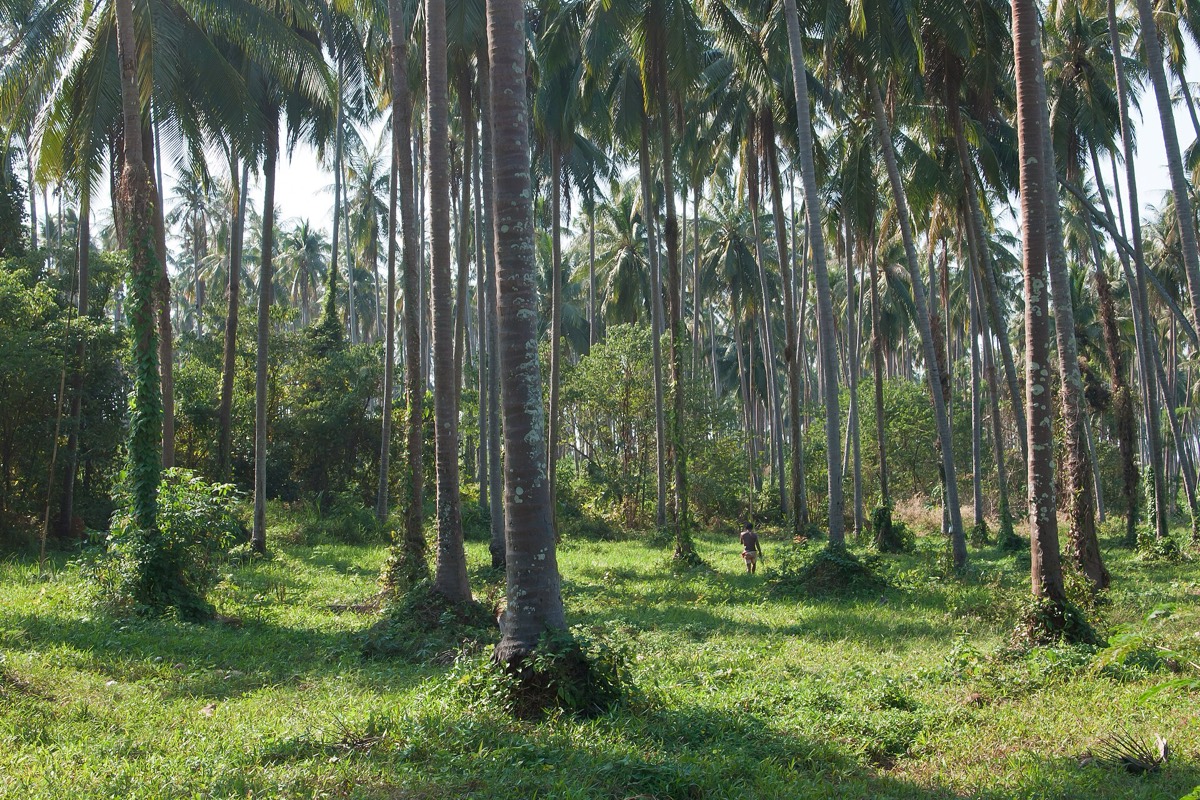
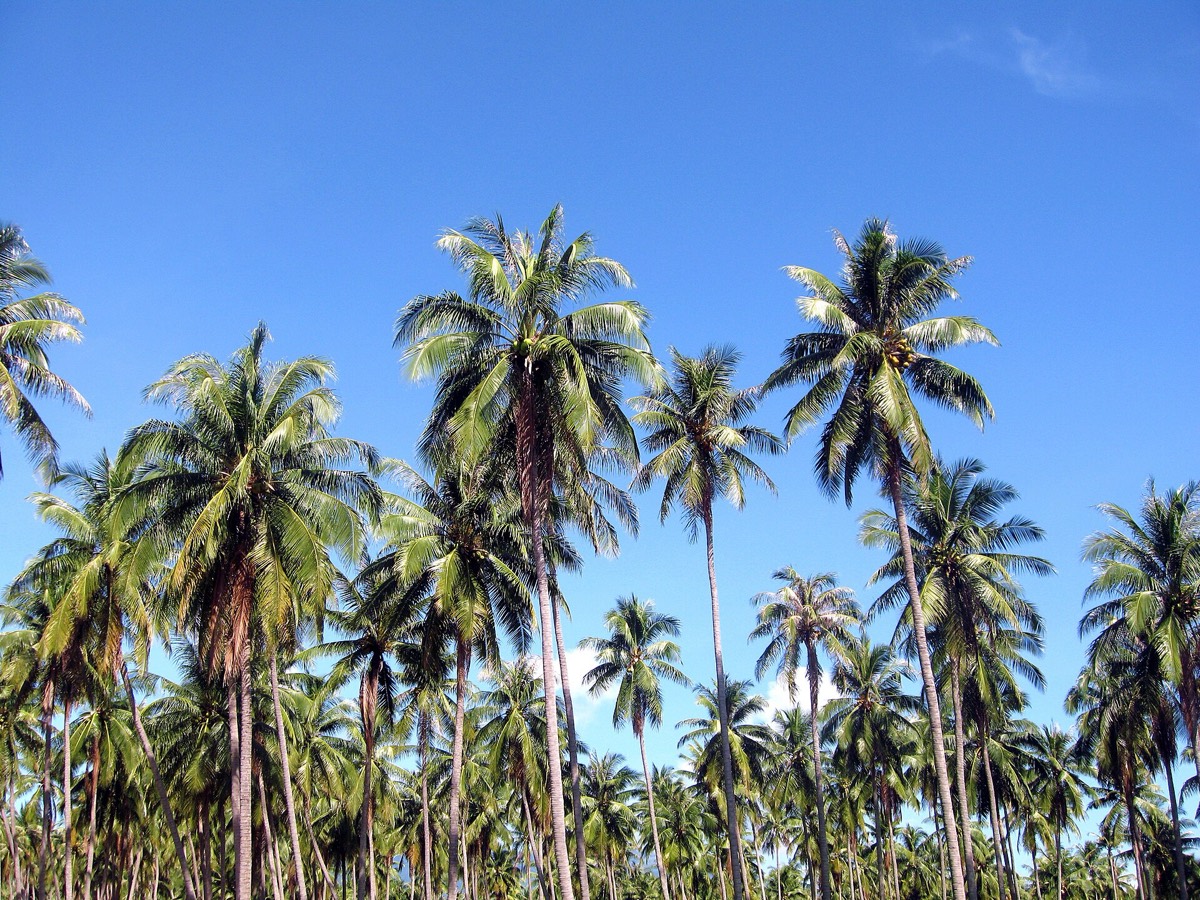
Before tourism, Samui lived on coconuts. The island was known in Thailand as the coconut island, and its plantations supplied a large share of the country's coconuts. You still see them everywhere: tall palms behind every beach, in every garden, along every road.
Learning about coconuts is a way of understanding the island. Ask at a local market and you'll find coconut water, coconut milk, coconut oil, coconut sweets, coconut sugar and even coconut-wood furniture.
It's also a subject with an uncomfortable side. Some farms have used trained pig-tailed macaques to pick coconuts and run 'monkey shows' for tourists, which animal welfare organisations have strongly criticised.
The story
For generations, Samui's coconuts were shipped by boat to Bangkok and beyond. Chinese merchants in Nathon and Bophut organised the trade, and the island's wealth rose and fell with coconut prices.
Using trained macaques to pick coconuts is an old practice in parts of southern Thailand. In the early 2020s, investigations by animal welfare groups led some international retailers to stop selling certain Thai coconut products, and the issue became widely debated in Thailand.
Many farmers today harvest with long poles, climbing equipment or, increasingly, short dwarf palm varieties that are easier to reach. Supporting them is a small way to help Samui's coconut culture continue in a kinder form.

Getting there
There's no single place to visit; plantations are spread across the interior. Ask locally or look for farms and cafés that clearly state they don't use monkeys for harvesting or entertainment.
A suggested plan
- MorningVisit a market in Nathon or Lamai and try fresh young coconut, coconut sweets and kanom tom (coconut-filled rice balls).
- MiddayDrive through the interior to see the plantations; some cafés on farmland serve coconut drinks under the palms.
- AfternoonLook for a coconut oil producer or cooperative and buy something made on the island.
Where to stay
Anywhere on Samui.
Good to know
- Young green coconuts are for drinking; mature brown ones are for milk and cooking.
- Coconut oil and soap make good, light souvenirs.
- Ask questions — farmers are often happy to explain how they work.
- Skip attractions that use monkeys for shows or photos.
- Don't stand directly under heavily laden palms; falling coconuts are no joke.