Sungei Buloh wetlands and the Kranji countryside
Mangrove boardwalks where crocodiles bask on mudbanks and shorebirds from Siberia rest, followed by farms, goats and a wartime memorial in the quiet north-west.

- Area
- Green Singapore
- Start from
- Kranji MRT
- Distance
- about 25 km north-west of the city
- Time needed
- 1 day
- Best season
- September to March for migratory shorebirds; all year for crocodiles and mangroves
- Difficulty
- Easy
- Transport
- MRT to Kranji, then bus or taxi
- Tickets & rules
- Free entry to Sungei Buloh; check the reserve's opening hours
Why go
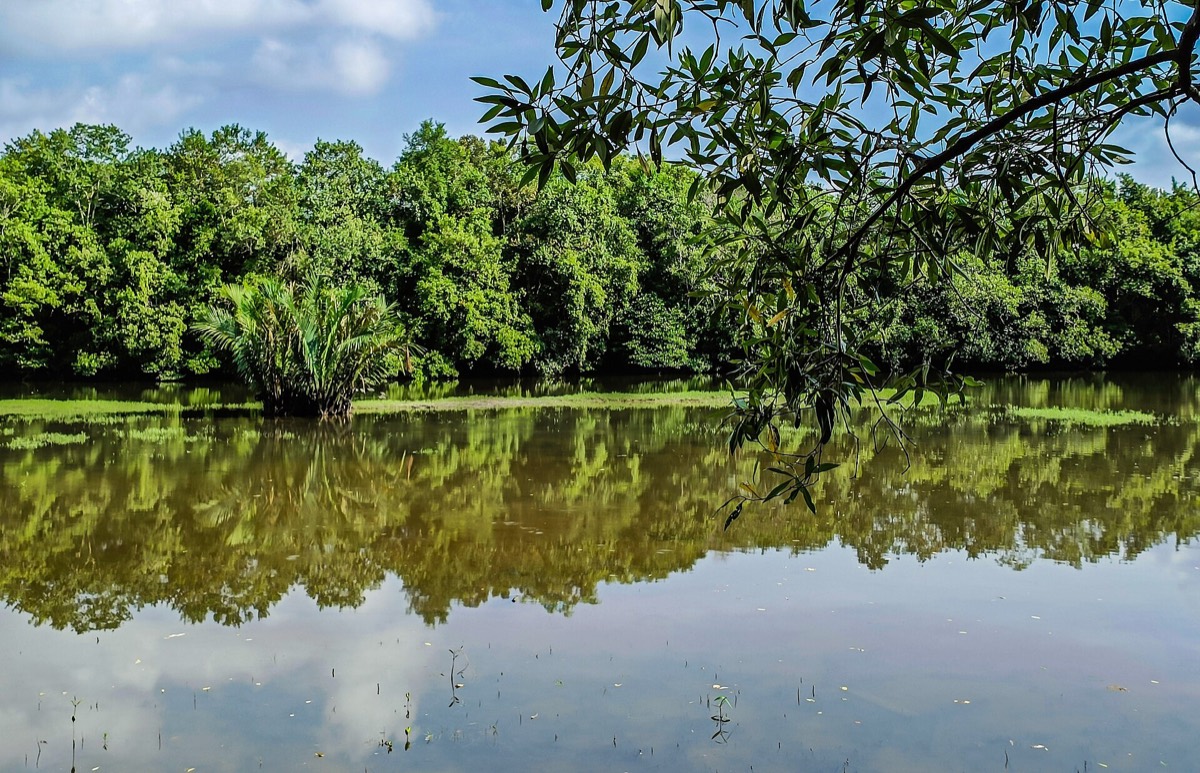
Few travellers make it to the north-west corner of Singapore, and that is exactly why I love it. Sungei Buloh Wetland Reserve is a tangle of mangroves, mudflats and ponds on the edge of the Straits of Johor, with the towers of Johor Bahru across the water. The boardwalks lead through the mangroves, where mudskippers flick across the mud and fiddler crabs wave their oversized claws.
From around September to March the reserve becomes a stopover for migratory shorebirds that fly from the Arctic and Siberia to Australia along the East Asian-Australasian Flyway. Plovers, sandpipers and whimbrels gather on the mudflats at high tide, and birdwatchers come with telescopes. Saltwater crocodiles are often seen basking on the banks.
Nearby is the Kranji countryside, a patch of small farms growing vegetables, goats, frogs and fish, where you can visit a goat farm or a farm café. It feels like another country, and on a weekday morning you might have it almost to yourself.
The story
The area was once full of prawn ponds and small kampongs. In the 1980s birdwatchers noticed how many migratory birds used the ponds, and in the early 1990s part of the area was turned into a nature park. It was later designated a nature reserve and has since been extended to protect more mangroves and mudflats.
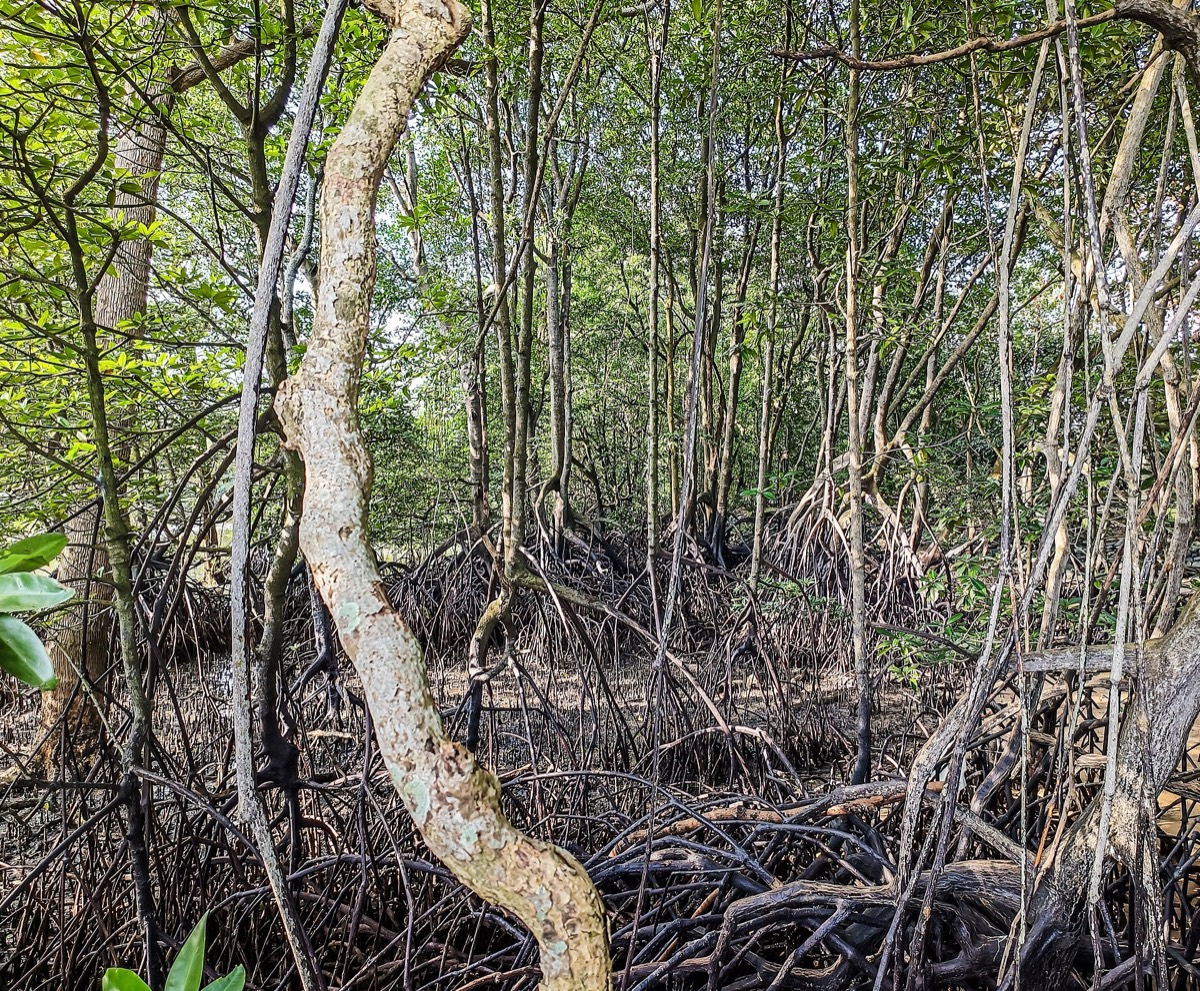
Mangroves once lined much of Singapore's coast, but most were cleared for ports, housing and reclamation. The remaining ones at Sungei Buloh are a nursery for fish and crabs and a buffer against erosion, and walking through them you see the strange breathing roots that poke up from the mud and the propped roots that hold the trees in the soft ground.
Saltwater crocodiles have been seen here for many years, and they are not just a curiosity. The reserve has clear rules about staying on the boardwalks, and some paths are closed when crocodiles are nesting. Seeing one lying motionless on a mudbank, a few metres below the path, is a reminder that the wild is never far away.
Close by is the Kranji War Memorial and Cemetery, where thousands of soldiers who died in the Second World War are buried and remembered. It is a peaceful, beautifully kept place on a hill, and a moving stop on the way back to the city.

Getting there
Take the MRT to Kranji station and then a bus that serves the Kranji countryside and Sungei Buloh, or take a taxi from the station. Check current bus routes, as they change from time to time.
The Kranji War Memorial is a short walk from Kranji MRT station.
A suggested plan
- 7:30 amArrive at Sungei Buloh when it opens and walk the mangrove boardwalk.
- 9:00 amHead to the main bridge and hides for the shorebirds and crocodiles; check the tide tables if you want to see shorebirds at high tide.
- 11:00 amWalk the coastal trail along the Straits of Johor.
- 12:30 pmLunch at a farm café in the Kranji countryside.
- 3:00 pmVisit the Kranji War Memorial on the way back to the MRT.
Where to stay
There is little accommodation in the area; stay in the city and make it a day trip.
Good to know
- Bring binoculars and a long lens if you have them.
- The best birdwatching is at high tide, when the birds are pushed close to the hides.
- Bring water and snacks; facilities are limited.
- Some farms have restricted opening days; check before you go.
- Saltwater crocodiles live in the reserve; stay on the paths and never go down to the water.
- Mosquitoes and sandflies can be fierce; use repellent.
- The north is hot and exposed; bring a hat and sunscreen.